
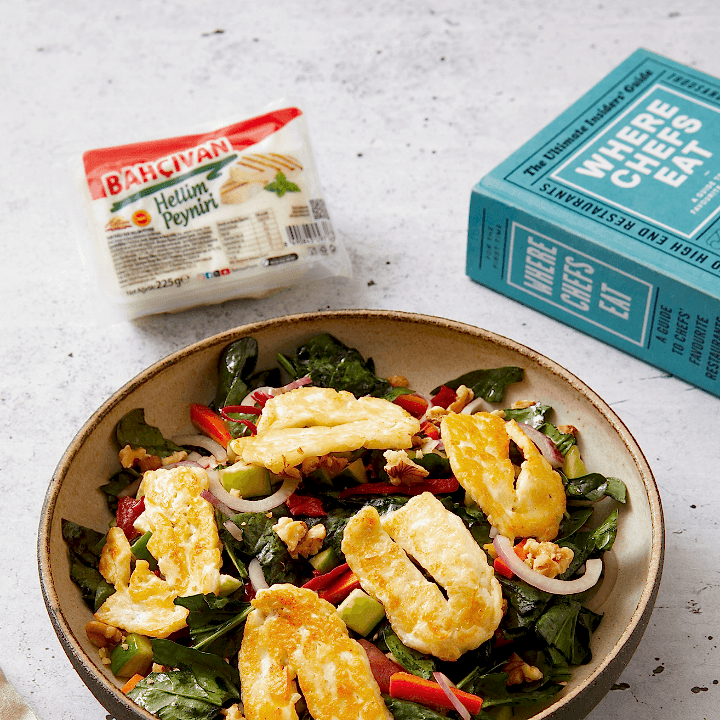
Halloumi cheese, which is indispensable for camps, barbecues and breakfasts, is among the most preferred frying cheeses. One of our local cheeses, halloumi can be consumed alone or as an accompaniment to other dishes. The most prominent feature of this cheese is its mild and low-salt aroma; it does not melt when fried, on the contrary, its flavor increases exponentially, making halloumi especially preferred for activities such as barbecues or camping.
It is very important to make halloumi correctly; the food eaten with it, the way it is fried or the environment you are in, all contribute to the taste of halloumi. For this reason, it may be necessary to know how halloumi is made and where it is ideal. If done right, halloumi can take you on a unique flavor journey and make you forget all the cheeses you have eaten before.
Being such an indispensable cheese, there are naturally many questions about halloumi cheese. People who wonder how to eat halloumi cheese or how to fry halloumi cheese try to find an answer to these questions on the internet.
If you are looking for an answer to questions about halloumi cheese, you are in the right place! As Bahçıvan Peynir, we remove all question marks about halloumi cheese in this content.
What is Halloumi?
Halloumi is a fresh cheese of Cypriot origin. This type of cheese, which is usually fried and consumed, has been produced and consumed in Cyprus for hundreds of years.
In terms of word origin, it is estimated that halloumi comes from the Egyptian Arabic word hâllûm. The oldest known production date of the cheese in Cyprus dates back to the 16th century. Italians who visited Cyprus at that time recorded that a cheese called halloumi was made in this region. However, a recipe for pickled cheese in an Egyptian cookbook dating back to the 14th century suggests that this cheese recipe may have traveled from Egypt to the Levant and then to Cyprus.
Today, halloumi cheese is mostly produced in Cyprus and the Levant. Especially in countries with a large Cypriot population, halloumi production has gained a serious dimension. Halloumi cheese is among the most important products exported by both Southern Cyprus and Northern Cyprus.
Although sheep or cow’s milk is sometimes used to make halloumi, the most durable and delicious halloumi is the one made from goat’s milk. Salt and sometimes mint are usually added during the cheese making process. Various spices can also be added to the recipe to flavor the halloumi. Halloumi has a high protein and fat content and is usually fried. In some recipes, halloumi can be grated and added to pasta or various sauces. Of course, being a local cheese and being produced in Cyprus for centuries, halloumi has been used in countless recipes.
How to Eat Halloumi Cheese?
Halloumi, one of the indispensable flavors of Cypriot cuisine, can be consumed in various ways. The most common ways of consumption of halloumi are as follows:
Breakfast: Halloumi cheese can be consumed for breakfast with or without frying. Halloumi cheese has a mild aroma and is not too salty, making it an ideal cheese for breakfast.
As an accompaniment It is possible to consume halloumi cheese as an accompaniment on cheese plates, alongside various drinks. It can also be served as an appetizer with various dishes.
In salads: Halloumi cheese is often preferred in salads. Despite its high fat content, the fact that it is a good source of protein and calcium causes people who pay attention to healthy nutrition to prefer halloumi cheese to other cheeses. Halloumi cheese for salads can be fried, grated or served directly without any processing.
In pastas Cyprus halloumi cheese grated over pasta adds a unique aroma and flavor to the dish. Being a mild type of cheese and not dominant in flavor, it does not overpower the taste of the pasta but adds flavor.
In pastries: If you want, you can make practical pastries by putting halloumi slices in phyllo and lavash. You can also try using grated halloumi in various pastry recipes where you use curd cheese.
In barbecues: As a fried cheese, halloumi has a unique place in barbecues and barbecues. You can serve halloumi cheese with chicken, sausage, sausage or fish. With roasted peppers, sautéed vegetables and delicious soft drinks, you can add a different flavor to this feast.
How to fry halloumi?
Frying halloumi cheese offers a truly unique flavor when done the right way. Of course, – as with everything else – it is essential to know the tricks of the trade.
Roast Halloumi
You can serve halloumi cheese for breakfast in the morning or as an appetizer with meals. Of course, a good halloumi fry requires a variety of ingredients, including
- Halloumi cheese
- Butter
- 1-2 cloves of garlic
- Thyme (if desired)
If all the ingredients are ready, you are ready to fry halloumi in a pan step by step:
- First, slice the halloumi cheese – don’t slice it too small,
- Put the frying pan on the stove and turn on the heat – do not add the cheese yet,
- Add the butter to the pan and chop the garlic,
- Shake the pan to distribute the garlic,
- Add the cheeses and cook well over medium heat, back and forth,
- Sprinkle thyme over the browned cheeses and turn the cheeses over,
- After frying for a few minutes, you can turn off the heat,
- You are ready to serve, bon appetit!
Roast Halloumi on the Grill
Halloumi cheese is a must-have for barbecues. You only need a few ingredients for the barbecue halloumi roast recipe, which you can consume with all kinds of meat such as sausage, chicken, tenderloin, salami or sausage:
- Halloumi cheese
- 2 medium-sized tomatoes
- 1 lemon
- Salt
- Fresh mint
- A little thyme (if desired)
If your ingredients are ready and your coals are embers, you can start making the recipe:
- First, thinly slice the halloumi cheese,
- Put the halloumi on the grill wire and cook well on both sides,
- While the halloumi is cooking, slice and salt your tomatoes well,
- Squeeze a little lemon juice over the halloumi and serve with the tomatoes,
- If you wish, you can serve the halloumi with fresh mint and a little thyme.
Which Region is Halloumi Cheese from?
“Where is halloumi cheese from?” is one of the questions we encounter a lot. Halloumi cheese, which spread to Turkey in the 21st century and increased its popularity year by year, is actually not a cheese unique to Anatolian lands. This cheese, which we love to consume, has been one of the main local flavors of the Cyprus region for centuries. Travelers who visited Cyprus mentioned this cheese, and the states established on Cyprus exported this cheese to the outside world. Today, halloumi cheese is among the main export products of the countries of Southern Cyprus and Northern Cyprus.
In addition to Cyprus, halloumi cheese is also produced in various countries in the Middle East. Halloumi has a significant place in the cuisine of the Eastern Mediterranean and the Levant region, especially Lebanon. There is also a great demand for halloumi cheese in countries such as Egypt and the United Kingdom, where there is a large Cypriot immigrant population. In fact, in the United Kingdom, where there is a significant Greek Cypriot and Turkish Cypriot immigrant population, the demand for halloumi is higher than in any other European country except Cyprus. Interestingly, it was only after the 2000s – as mentioned above – that the cheese gained serious popularity in Turkey.
Cyprus Halloumi Cheese
Cypriot halloumi cheese is one of the country’s most important export products. This cheese is used extensively in various dishes and recipes from the Cyprus region. Among the recipes made with halloumi in Cyprus are the following:
Magarina bulli: Magarina bulli, which means chicken pasta, is one of the most popular dishes in Cyprus. It is made with chicken thighs, tomatoes, onions, pasta, butter, halloumi, olive oil and various spices. This recipe takes less than 15 minutes to prepare and is ready in about 1 hour.
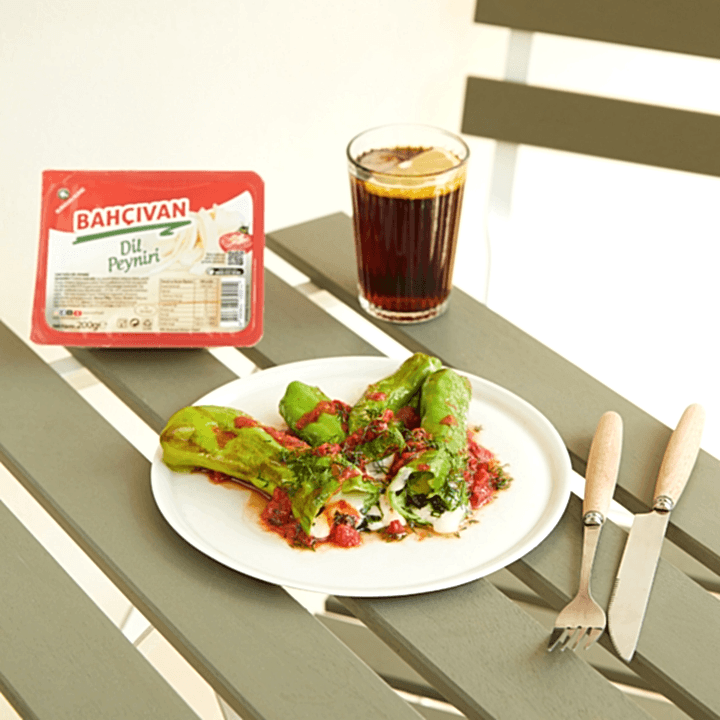
Halloumi rolls with red peppers: This recipe, in which fried halloumi cheese is wrapped in red peppers, is the kind of flavor that one cannot put down. We recommend halloumi wraps with red peppers, which are also very appetizing in appearance, to anyone who wants to try different flavors.
Halloumi bread: Have you ever tried making bread with cheese? You can make it with halloumi cheese. You can make a healthy and delicious bread by adding halloumi cheese to a well-fermented dough with dill.
Halloumi fritters with spinach: This recipe is not much different from the traditional spinach pie recipe. Normally, curd cheese is used to make spinach pie, but you can easily make spinach halloumi pie by substituting halloumi instead. You can grate or dice halloumi and add it to the pastry.
Çıtır hellim peynir pane: Yumurta ve galeta ununa buladığınız hellim peynirlerini tereyağında pişirerek harika bir peynir pane yapabilirsiniz. Özellikle akşam yemeklerinde tercih edebileceğiniz bu tarif, size gerçekten eşsiz bir lezzet sunacak.
How to Make Halloumi Cheese?
One of the most curious questions about halloumi cheese is “How is halloumi cheese made?”. The production process of halloumi cheese is different from most cheeses; this difference gives halloumi a different aroma and taste.
Traditional halloumi cheese is made from unpasteurized raw milk. Fresh milk is fermented by heating it and letting it stand for a while. When coagulation begins, the clots are broken into pieces, mixed and then molded and pressed. The rectangular cut cheese drafts are placed in brine and left for a while. During the brining process, the halloumi cheese acquires a saltier and slightly sour aroma, and after sufficient time, it is ready for use.
Although the traditional recipe uses unpasteurized milk, the diseases that can be caused by raw milk have led to a gradual change in this method. Today, the use of pasteurized milk or culture is much more common. In particular, commercially produced halloumi cheese is made from pasteurized milk.
Halloumi Cheese Benefits
Halloumi cheese benefits are often wondered by people who eat healthy. Especially because it is a fatty type of cheese, most people prefer to keep a little distance from halloumi cheese. However, halloumi cheese is extremely beneficial for health.
Here are the main benefits of halloumi cheese:
- Thanks to its high protein content, it is ideal for people who do sports,
- Being a source of calcium makes halloumi cheese a very beneficial food for bone development,
- It is especially recommended for the bone development of infants and young children,
- It plays an important role in various body functions such as muscle function, nerve conduction and blood clotting,
- It is a type of cheese rich in B vitamins, especially B12,
- It is important for energy production, nervous system and cell metabolism,
- It contains various minerals such as phosphorus, magnesium and zinc,
- It strengthens the teeth and plays a role in the prevention of most diseases that may occur in the teeth,
- Accelerates the growth and development of muscles,
- It greatly facilitates the balancing of blood sugar in the body,
- Increases hormone production,
- It strengthens the body’s defense mechanism and strengthens the body,
- It can improve insulin sensitivity and protect against diabetes.
As can be seen, halloumi cheese ensures the healthy functioning of various parts of the body.