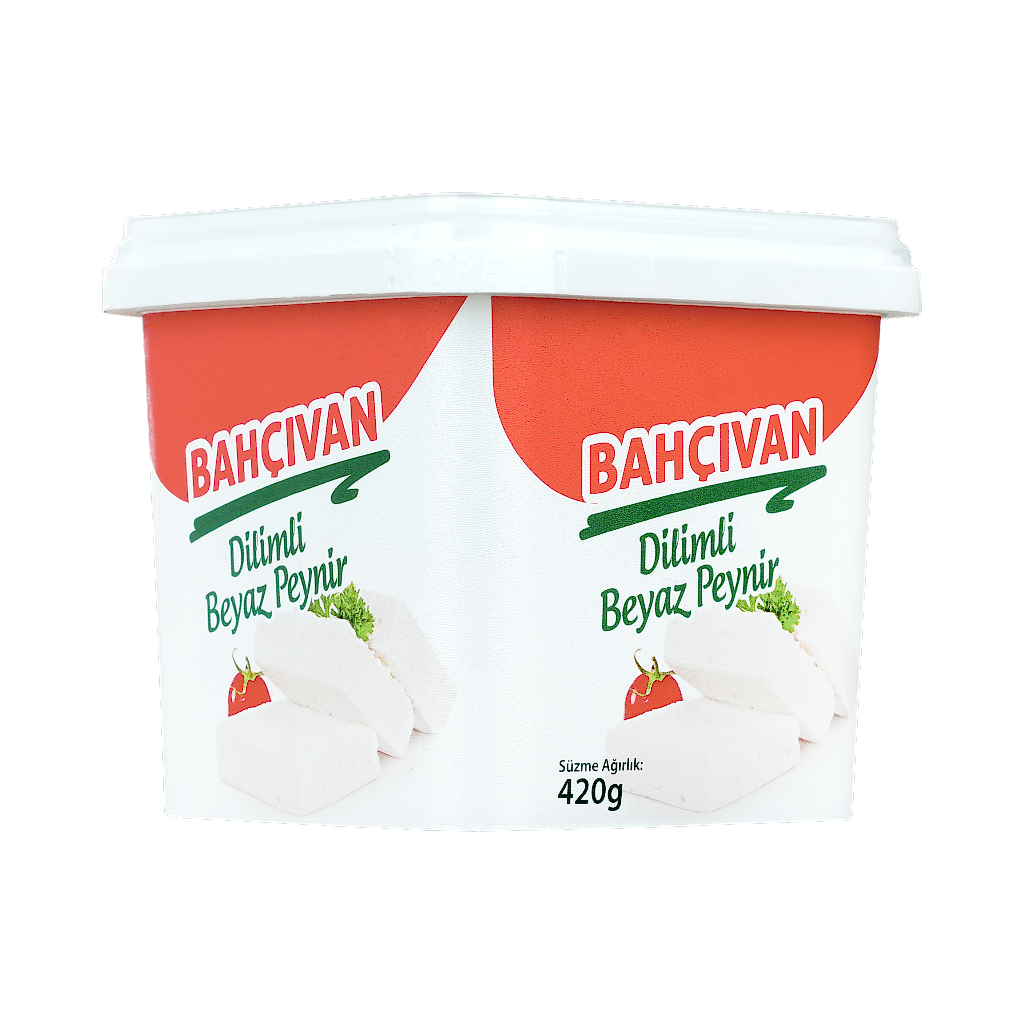

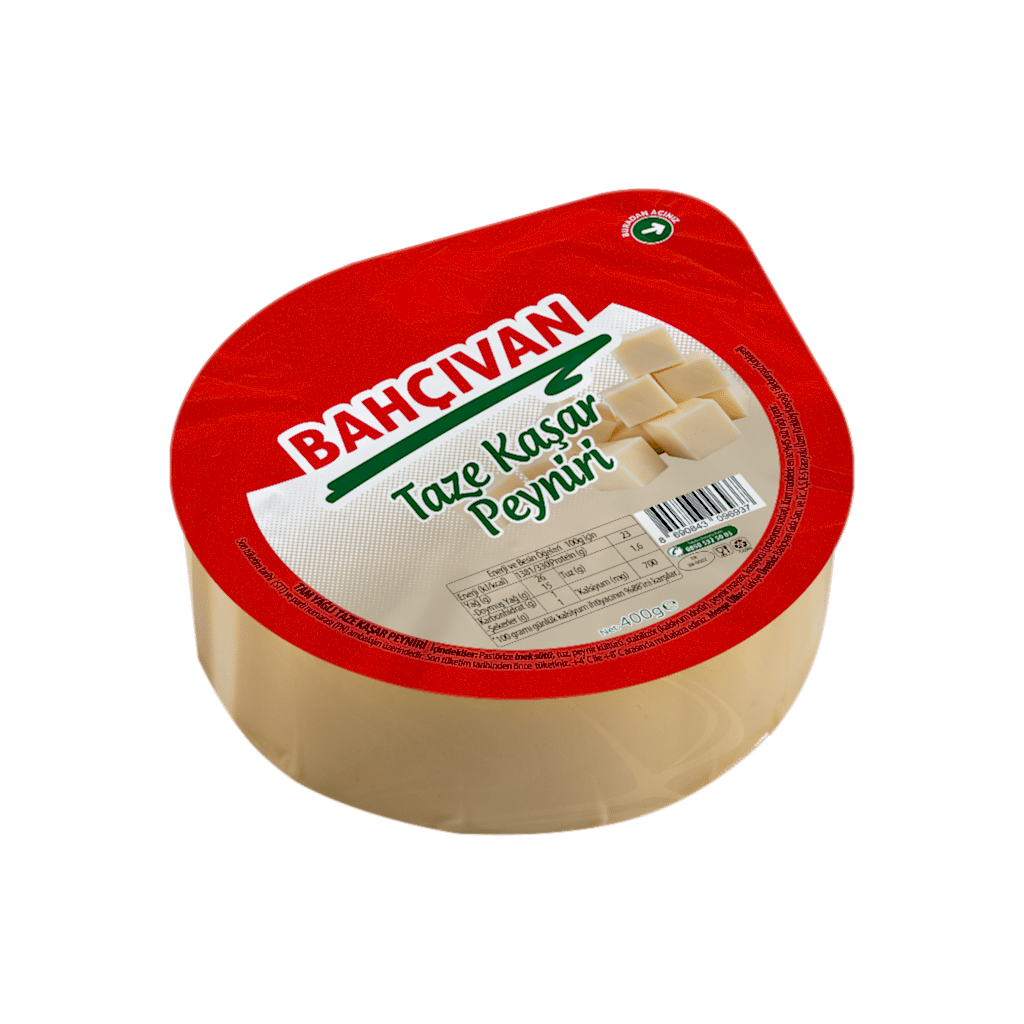
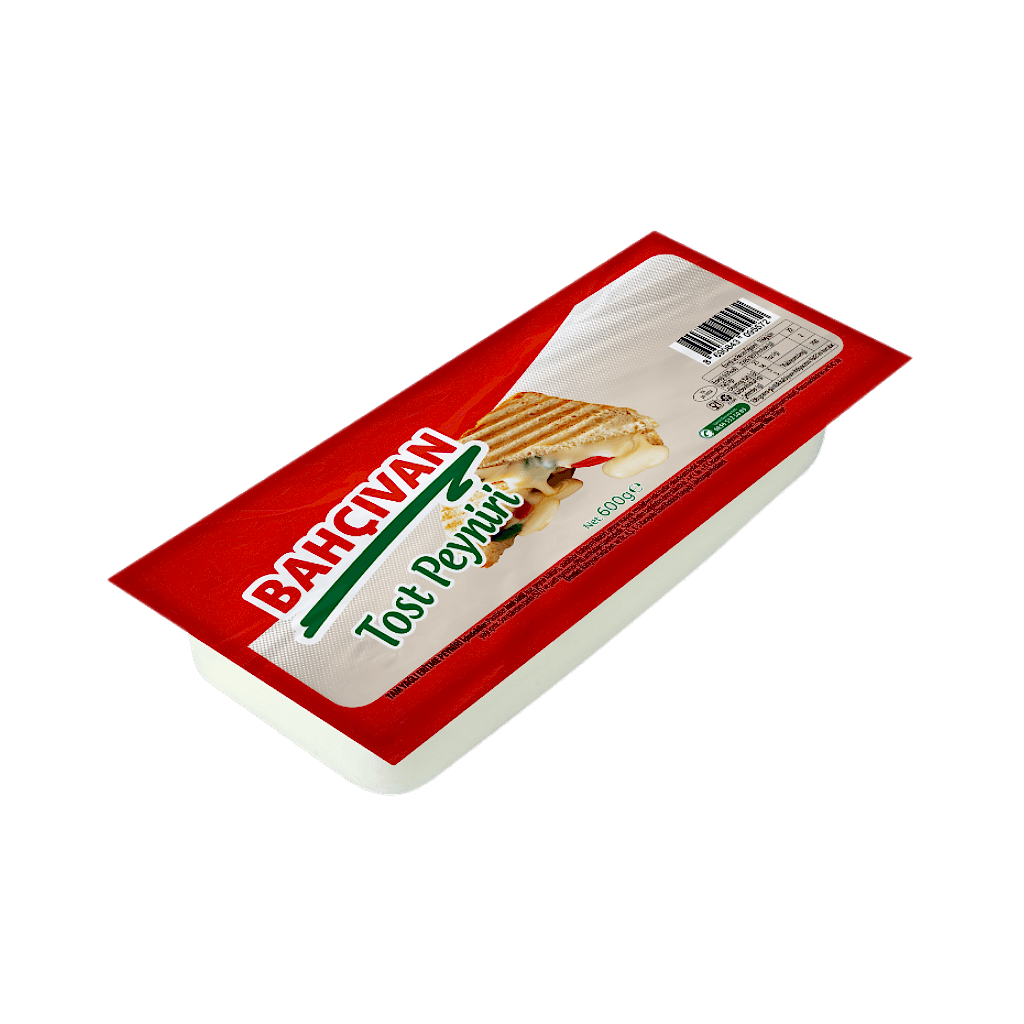
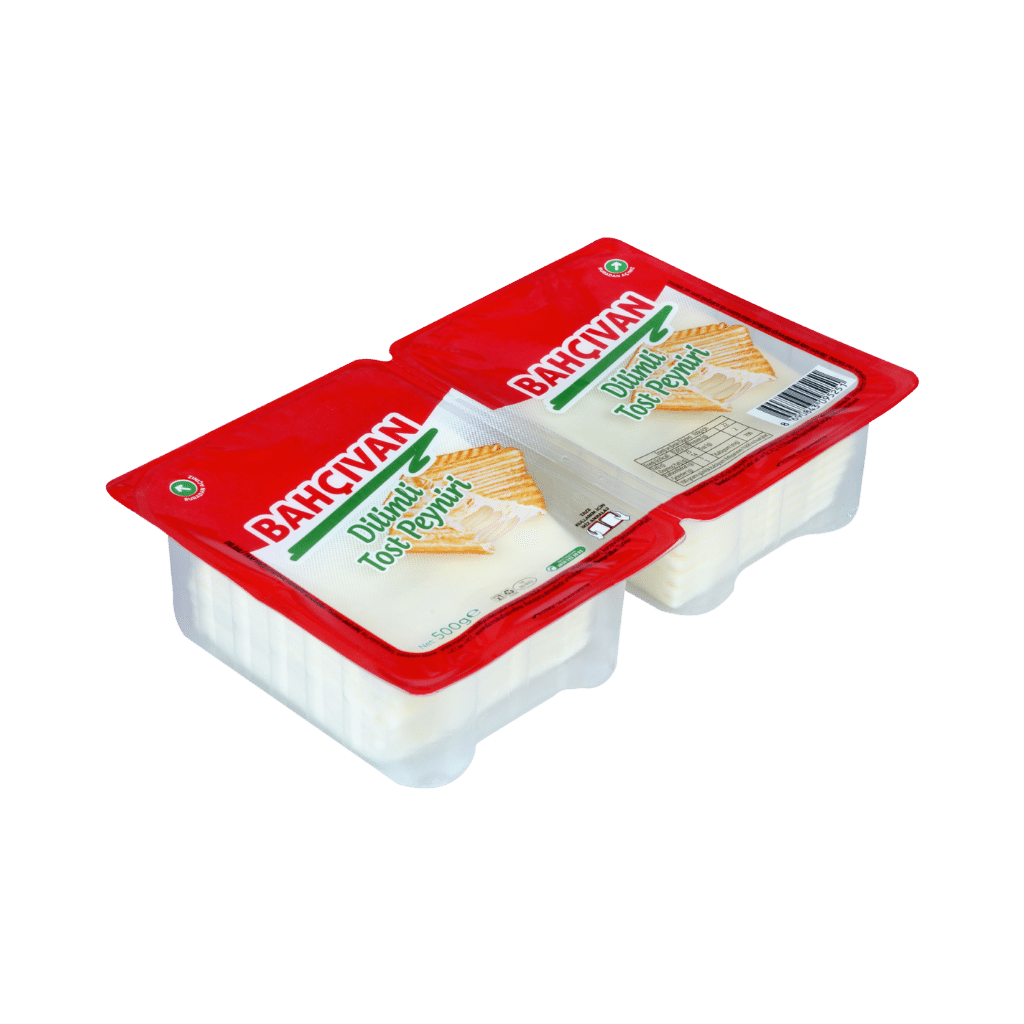
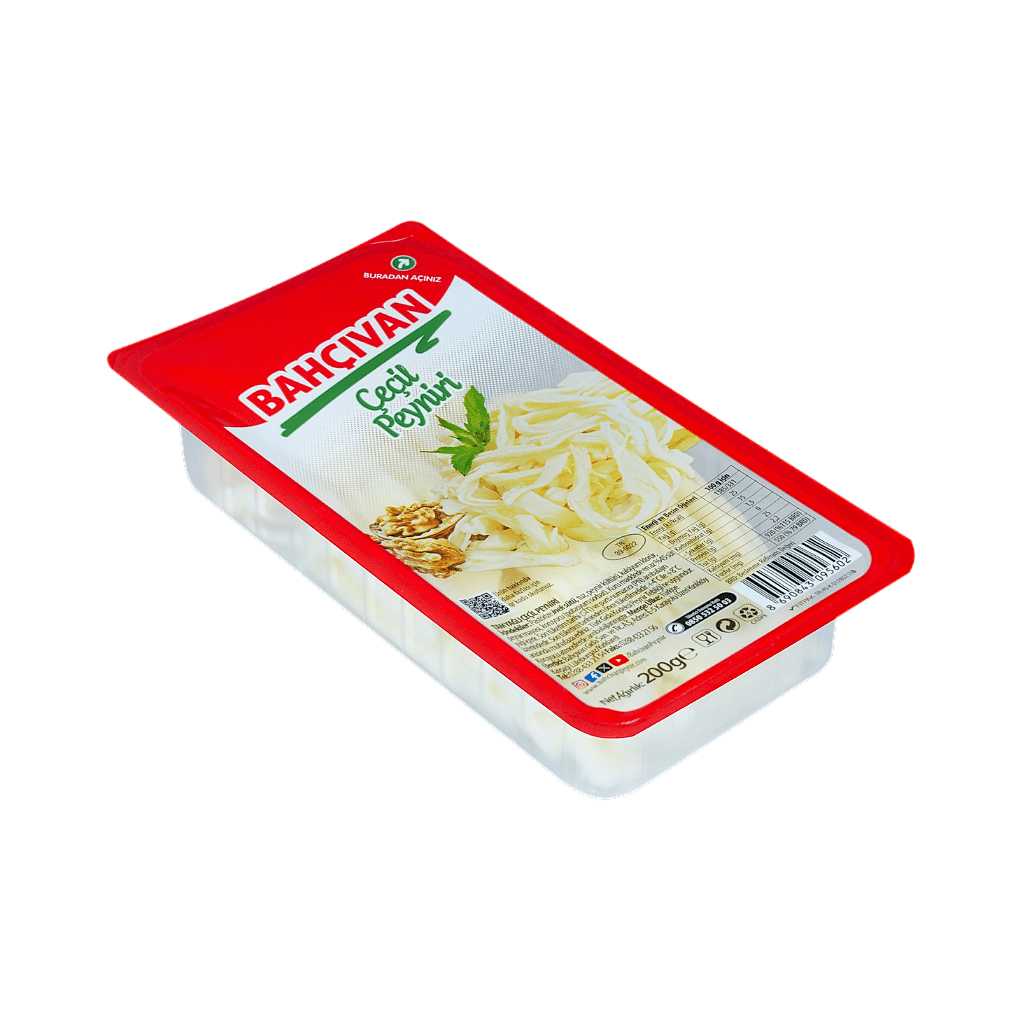






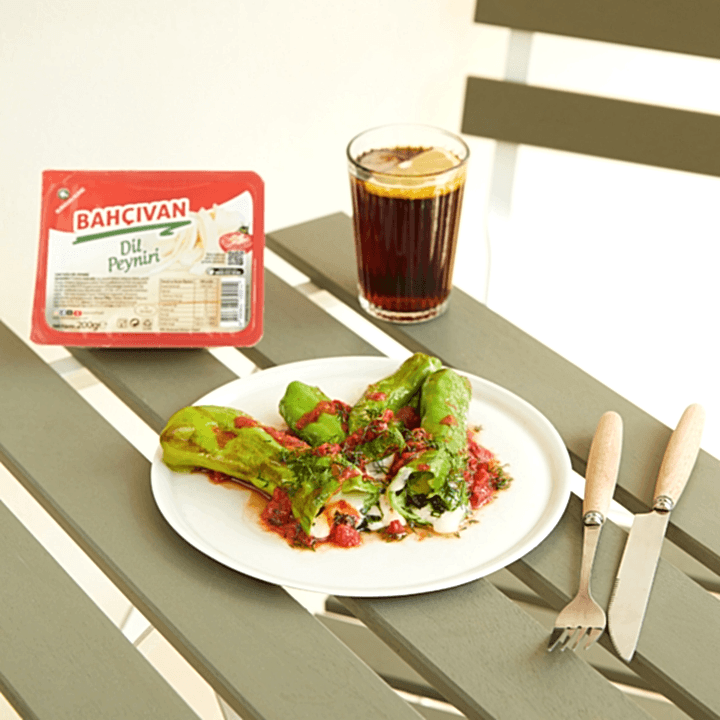
Tongue cheese, one of our favorite local cheeses, is indispensable for breakfasts and appetizers. So, what is string cheese? What makes this cheese so special? What lies behind its popularity? Let’s discover these together.
What is Tongue Cheese?
Tongue cheese is a fibrous type of cheese unique to the Erzurum and Kars region. This cheese, which can be made from the milk of various animals, especially cow and goat milk, stands out with its low-salt structure and mild aroma. Milk such as buffalo and sheep’s milk is also frequently used in the production of tongue cheese.
Although it is a full-fat cheese, the fat content is not excessive. It is similar to cheddar cheese because it melts quickly, but it is softer. This cheese is also frequently used in cheese desserts such as kunafeh or kadayif.
Mostly consumed for breakfast, string cheese can also be served as an appetizer from time to time. Since it is a light and soft cheese, it can also find its place in cheese plates.
How to consume string cheese?
Tongue cheese, which you can eat either fried or melted, is among our unique local flavors. Tongue cheese, which can be consumed everywhere from cheese plates to breakfast tables, is a versatile cheese. Of course, if you want to fully enjoy the taste and flavor of string cheese, you should know how to consume string cheese.
Fried Tongue Cheese
Classic string cheese can be served fried, especially for breakfast. It can also be a nice alternative to halloumi cheese at barbecues or picnics. It is also essential to fry tongue cheese, which has a unique texture and aroma when fried, in the right way. Of course, as Bahçıvan Peynir, we are with you in this regard; here is how to fry string cheese step by step:
- First, choose a good quality string cheese,
- Cut the cheese into the desired size,
- Mix the beaten egg and breadcrumbs,
- Dip your cheese in this mixture,
- Fry your cheeses covered with the breaded egg in hot oil for a few minutes,
- Serve for breakfast or as an appetizer.
Consuming string cheese mixed with different cheeses
Tongue cheese is a type of cheese that you can easily use when making toast or sandwiches. Since it melts easily and has a mild flavor, you can use this cheese to add flavor to your meals. Although it is possible to consume tongue cheese in different ways, one of the most common ways to use it is to mix it with different cheeses. Cheddar, cheddar or toasted cheese are among the main types of cheese you can use with string cheese.
You can use different methods to use string cheese with different cheeses. For example, the simplest method is to put string cheese next to other cheeses when making toast. You can also grate it and sprinkle it on toast with cheddar or cheddar cheese. If you are making cheese soups or pies, you can also add string cheese crumbles to the dish with different cheeses.
The best dishes with string cheese
One of the most preferred local cheeses, string cheese goes perfectly with different types of food. Especially used in dishes such as toast or pizza, string cheese melts quickly when exposed to heat and becomes ready for use. It melts faster than cheddar cheese and is less salty in taste, making it a great ingredient for dishes where you don’t want the cheese flavor to be dominant.
Since it is one of the easiest melting cheese types and contains little salt, you can use tongue cheese in all kinds of dishes, from sweet to savory We can list the dishes that you can easily use tongue cheese as follows:
- Foods such as sandwiches or toast are the first to come to mind,
- Due to its low salt content, tongue cheese can be used in desserts such as künefe or kadayif,
- Because it melts quickly, it can also be used to make kuymak – if you don’t have cheeses such as colot or kashkaval,
- It can be included in breakfast cheese plates due to its mild aroma,
- It can be found on cheese plates served with wine,
- It can be preferred in meat dishes such as chicken with string cheese,
- It can also be preferred in various types of pastry,
- It can be used to make corn dogs,
- It can be consumed alone as a snack,
- It can be included in multi-cheese pizza recipes,
- It can be used alongside cheddar in hamburgers.
The above-mentioned are only some of the dishes where you can use string cheese. You can use it in all recipes where you need to use easily melting cheese.
Consuming string cheese for breakfast
Breakfast dishes with string cheese are perfect for a great start to the day. With its rich nutritional values and unique flavor, you can create healthy breakfast dishes by combining string cheese, which offers you everything you need, with different ingredients.
Here are the most delicious sole cheese breakfast recipes you can make:
Breakfast Sausage and Cottage Cheese Omelet: This wonderful recipe you can make with 2 eggs, 10 slices of sausage, 4 slices of string cheese, a little oil, black pepper and salt will add a nutritious and delicious touch to your morning menu.
Omelet toast recipe: Made with 2 eggs, string cheese and plenty of spices, this recipe is actually not much different from the classic omelet recipe. All you need to do is make a normal omelette and then fold it and put string cheese in between. You can heat the omelette in the pan for a short time to melt the string cheese and then you can serve it.
Breaded string cheese: If you are looking for a recipe that will add variety to your breakfast, this breaded string cheese recipe may be just what you are looking for. You can prepare this recipe in 10 minutes with 8 pieces of string cheese, 4 spoons of flour, 4 spoons of corn flour, 1 egg and a little salt. First, put the eggs in a bowl and whisk them with salt. Then, dip the cheeses first in flour and then in corn flour. Fry them in hot oil until they turn color.
How to store string cheese?
One of the most frequently asked questions by people who buy string cheese for the first time is “How to store string cheese?”. The storage conditions of string cheese are almost the same as other soft cheese varieties. Since it is not salty, it is susceptible to spoilage and should be stored properly. If it is not to be used immediately, it should not be taken out of its packaging as much as possible. This is because a string cheese in its packaging can be stored for months without spoiling.
Once removed from the packaging, it must be stored in a cold place. Otherwise, the cheese will spoil quickly. In general, the ideal storage place is the refrigerator or freezer. Unpacked cheese can be wrapped with a cotton cloth to minimize the air entering the cheese. If you don’t have a cotton cloth, cling film will work just as well.
How to make string cheese?
Making string cheese is a traditional cheese production process. This cheese, which has been produced for hundreds of years in different regions of our country, can be made from the milk of different animals such as cows, buffaloes, sheep and goats.
The making of string cheese is an extremely long and detailed process. This cheese, which has been produced for centuries in various regions of our country, especially in Kars and Erzurum provinces, has become a valuable product due to the production process that requires patience. Here is how to make string cheese step by step:
- First of all, boil the fresh milk well,
- Let the boiling milk stand until it reaches 32 degrees,
- When it reaches 32 degrees, add yeast to the milk,
- Let the milk rest for about 1 hour,
- During the resting period, milk clots,
- When the clots are well visible, make cuts with the cutting apparatus,
- The cut clots are re-cut into small pieces and poured into special sole cheese molds,
- Wait for a while for the cheese pieces to drain the water,
- Drain the cheese in about 30 minutes,
- Wait for the cheese to thicken in hot water,
- Add cheese salt to the cheeses waiting in hot water,
- The salted cheeses are put into special molds – the amount of salt added at this stage is very important. It is neither over-salted nor unsalted, so it is always good not to over-salt the cheese,
- The cheeses are lightly boiled in these molds,
- Meanwhile, add the doughy cheeses into the molds and leave to rest,
- The rested cheeses are ready.
Which milk is used to make string cheese?
Tongue cheese can be made from the milk of different animals. The most preferred ones are buffalo, cow, sheep and goat milk. Of course, the flavor and characteristics of the milk used will greatly affect the structure of the milk, so tongue cheese made from different milks will have different flavors.
Generally, cow’s and goat’s milk is the most popular milk for making string cheese. The fact that buffalo milk is relatively more difficult to find and sheep milk is a bit more expensive has caused most producers not to prefer these milks. When choosing between cow’s and goat’s milk, cow’s milk, which has a milder flavor, is generally recommended. This is because string cheese is known for its mild flavor.
What are the Benefits of Tongue Cheese?
Tongue cheese, which is a complete health store, is preferred due to its rich nutritional content and its benefits for organ health. The main tongue cheese benefits can be listed as follows:
- Tongue cheese has a high protein content, so it is among the most preferred cheeses for people who need protein.
- Rich in calcium, string cheese contributes positively to bone development. It is a great food especially for young children and babies.
- Thanks to its calcium content, it also supports tooth development to a great extent.
- It is especially recommended to be consumed at breakfast due to its high energy content; a portion of string cheese you consume at breakfast meets your entire daily energy needs.
- Due to its fibrous structure, it supports the active functioning of the intestines.
- Prepared with milk’s own fat, string cheese is a heart-friendly food and is perfect for preventing various heart diseases.
- Thanks to its blood pressure balancing feature, it can be consumed against health conditions such as low blood pressure.
- It increases the body’s resistance and strengthens the body.
- It stands out especially with its preventive feature against diseases such as osteoporosis.
- Thanks to its abundant iron content, it prevents nail breakage and strengthens weak nails.
- Protects eye health.
Tongue Cheese Nutrition Facts
Tongue cheese is one of the healthiest types of cheese due to its high protein and calcium content. Its rich nutritional values make this cheese a great solution against various ailments. It is also a food rich in iron and vitamin A content. Moreover, it has a lower fat content than most cheeses.
We can list the nutritional values of string cheese as follows:
- 1.57 grams of carbohydrates
- 4.30 grams of protein
- 4.92 grams of fat
- 11.25 milligrams of cholesterol
- 300 milligrams of sodium
- 37.50 milligrams of potassium
- 150 milligrams of calcium
- 74.25 UI Vitamin A
- 0.20 iron